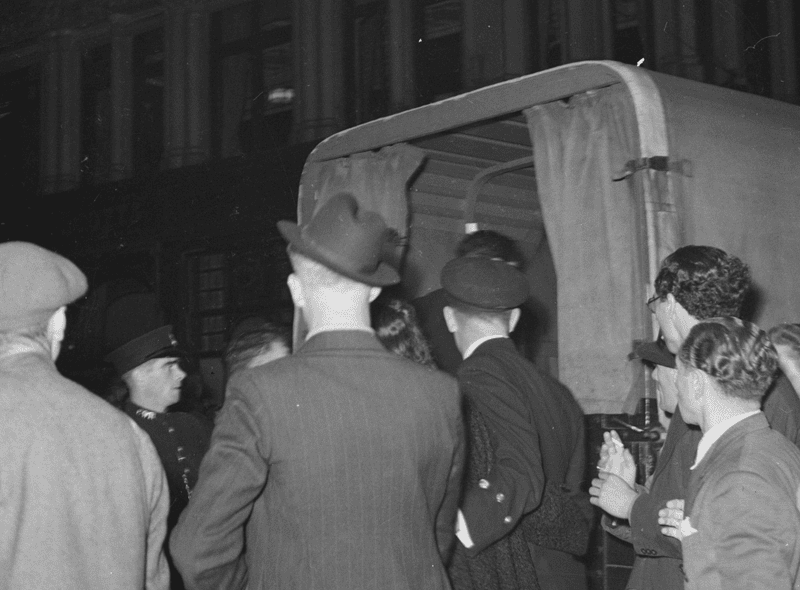
Before 1967, being gay in Britain wasn’t just taboo, it was a criminal offence. Men faced imprisonment, public humiliation, and the destruction of their lives. To survive, gay men developed a secret language called Polari. It let them identify each other, flirt, and build community while straight people remained oblivious.
This fascinating piece of British LGBTQ+ history shaped the culture of gay venues across the UK and some of its words are still used today.
Polari wasn’t a complete language you couldn’t have an entire conversation in it. It was a vocabulary of several hundred words dropped into English to obscure meaning from outsiders. The name likely comes from the Italian “parlare” meaning “to talk.”
It drew from a glorious mix of sources:
This gave Polari a wonderfully theatrical, continental flavour. It was camp before camp had a name. Explore our community forums to connect with others who appreciate LGBTQ+ history.
Here are some common Polari words. You’ll probably recognise a few, they’ve filtered into everyday English:
Bona – good, nice (“That’s bona!”)
Vada – to look (“Vada that omi”)
Omi – man
Naff – unfashionable, tacky (yes, THIS is where “naff” comes from)
Zhoosh – to style or make fabulous
Cottaging – seeking encounters in public toilets
Trade – a sexual partner
Fantabulosa – wonderful, fabulous
Scarper – to run away
A typical sentence: “Vada the bona omi” meaning “Look at the good-looking man.” Find venues near you where you can meet like-minded people today.
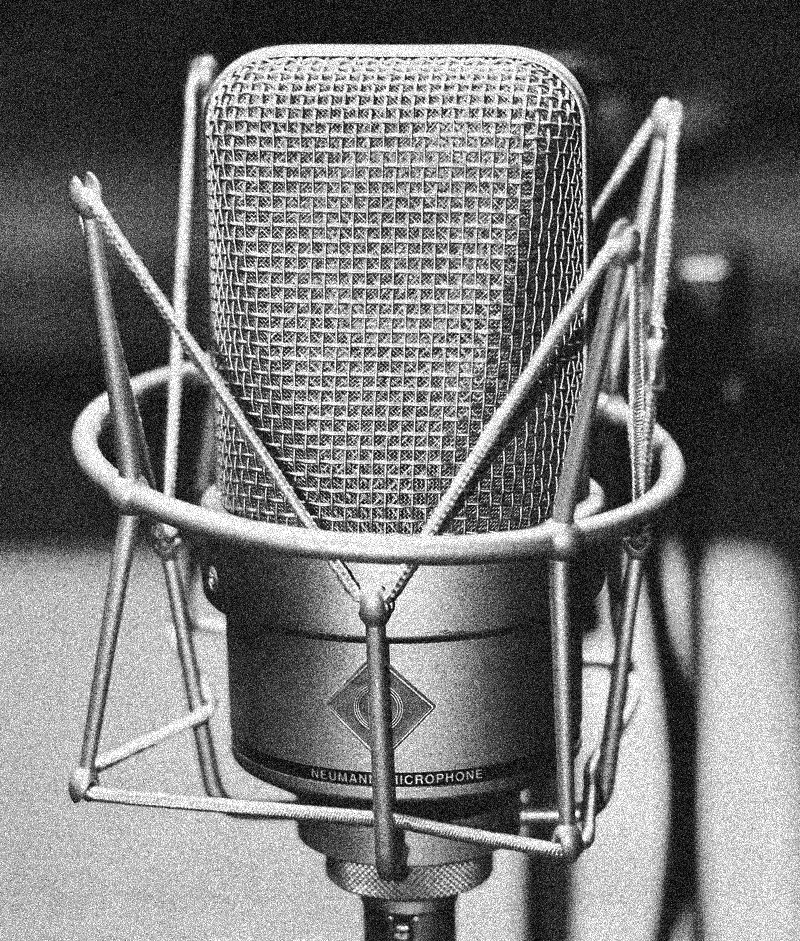
Polari’s most famous moment came from an unlikely source: BBC Radio. From 1965 to 1968, the comedy show “Round the Horne” featured two camp characters called Julian and Sandy, played by Hugh Paddick and Kenneth Williams.
They peppered sketches with Polari while running businesses like “Bona Law” (a legal firm). “How bona to vada your dolly old eek!” became a catchphrase meaning “How good to see your nice old face!”
The show attracted up to 15 million listeners. Gay audiences were in on the joke while BBC executives seemingly had no idea. Read more Behind the Steam articles for more LGBTQ+ history and culture.
The Sexual Offences Act 1967 partially decriminalised homosexuality in England and Wales. This began the end for Polari. As gay men gained more freedom to be open, the need for secret language diminished.
Some 1970s gay liberation activists rejected Polari as a relic of oppression, the language of the closet. They wanted visibility and pride, not codes and secrets. By the 1980s, Polari had largely faded from everyday use.
Today, spaces like gay saunas continue the tradition of providing safe, welcoming environments for the community, no secret language required.
Polari is more than a linguistic curiosity. It’s a testament to the creativity and resilience of gay men living under persecution. When society tried to silence them, they created their own language and culture.
It’s also a reminder of how recently things changed. Men who used Polari to stay safe in the 1960s are still alive today. The progress we’ve made happened within living memory.
Next time you call something “naff” or tell someone to “scarper,” spare a thought for the secret language of gay Britain and the remarkable men who spoke it.
Keep the secret language alive – translate your words into Polari
Polari was a real language used by gay men in Britain when homosexuality was illegal. This translator covers common vocabulary – the full language was richer and more nuanced.